
In my last post, I wrote briefly about the water I use for growing orchids in water-culture.
All plants need water to live, and some need more than others. While it is possible to dive deeply into the type of water needed by various plants, I am more of a practical grower and prefer to keep things as simple as possible. Fortunately, this works well for most of my plants.
Suitable Water Types:
- Tap water with aquatic water conditioner to neutralize heavy metals and remove chlorine/chloramine.
- Tap water that has been filtered to remove chlorine/chloramine.
- Reverse Osmosis (RO) or Reverse Osmosis De-Ionized (RODI) water
- Distilled water.
- Rain water.
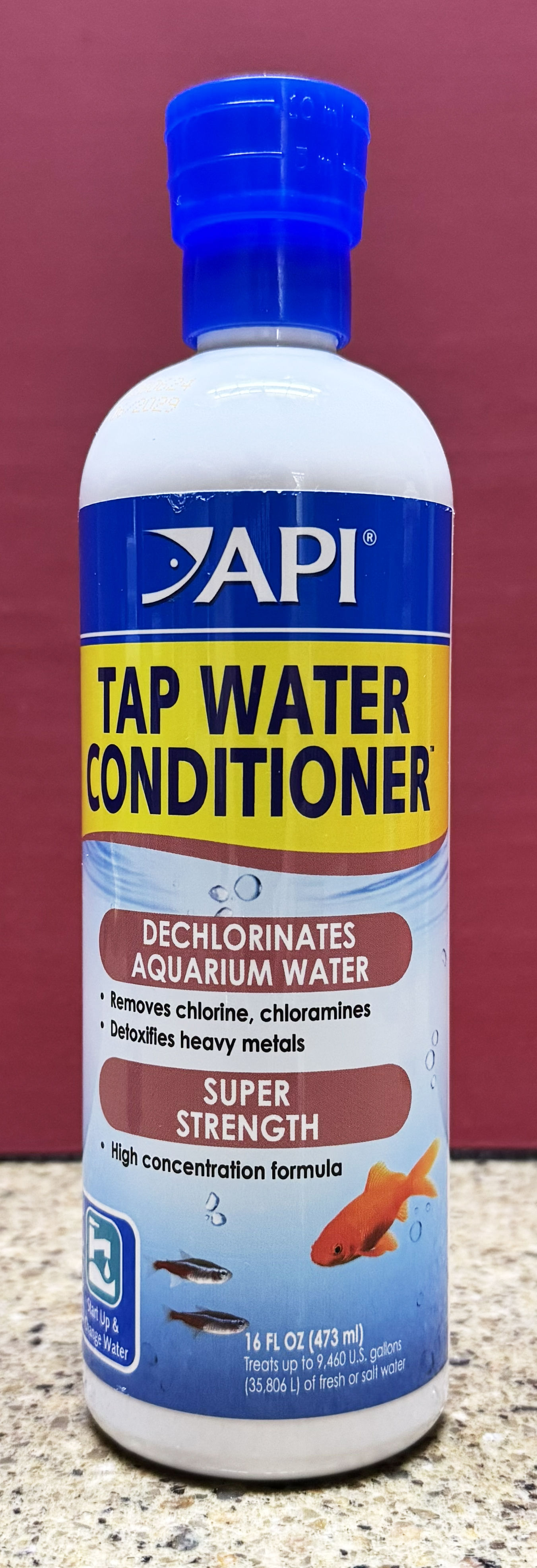
As with most things, I usually start with simple methods and work my way up to more complex methods. So, I started with something I was familiar with from an aquarium I used to have: tap water conditioner.
Tap water conditioner neutralizes the Chlorine/Chloramine and other heavy metals in water. Nothing is removed from the water, the harmful chemicals and minerals are simply changed into a harmless state.
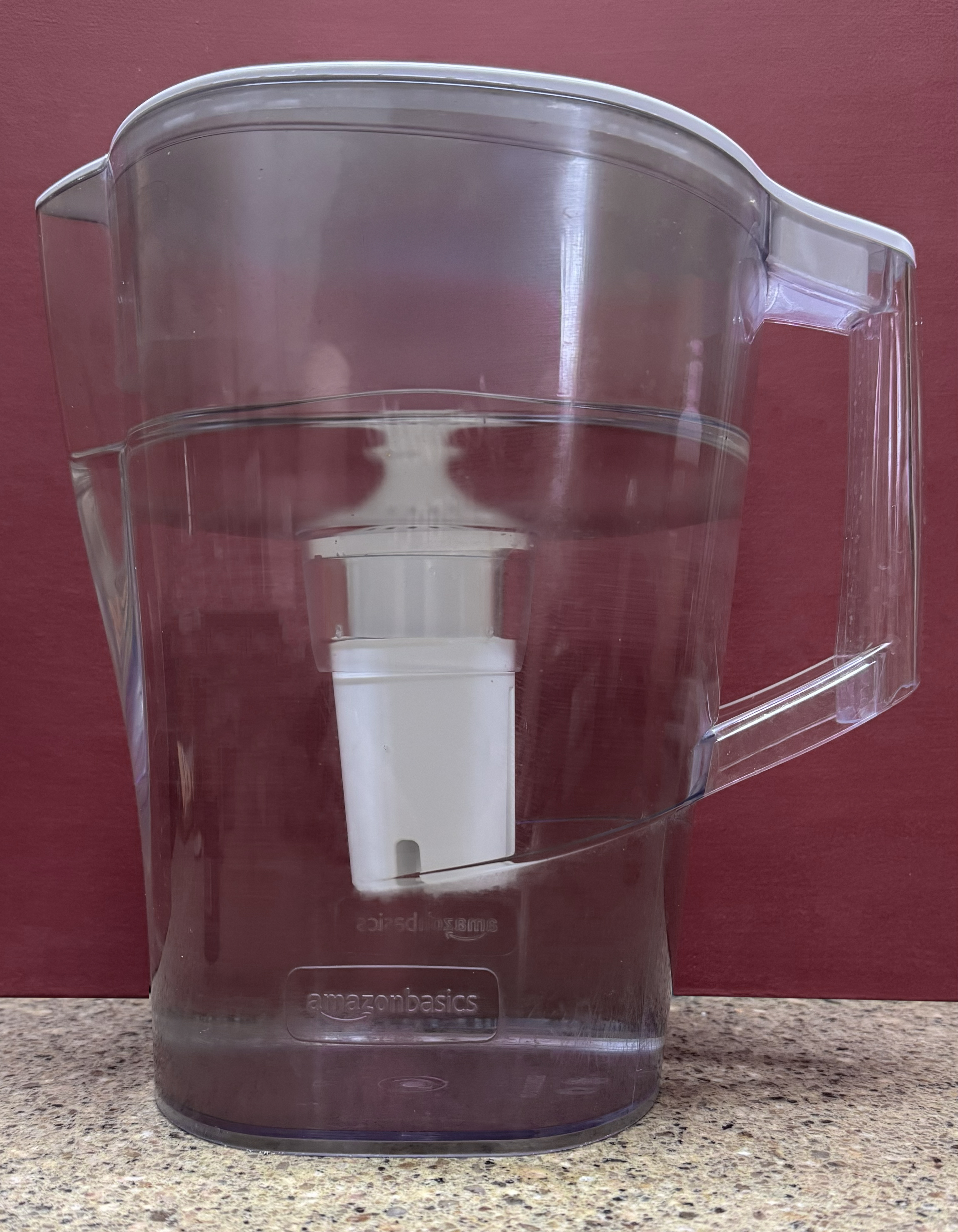
The next step was to filter my tap water with an Amazon Basics water filtering pitcher. These pitcher filters are more expensive, but they actually remove harmful chemicals and minerals. Even so, many dissolved minerals are left in the water. This isn’t necessarily a bad thing, unless you have cool mist humidifiers.
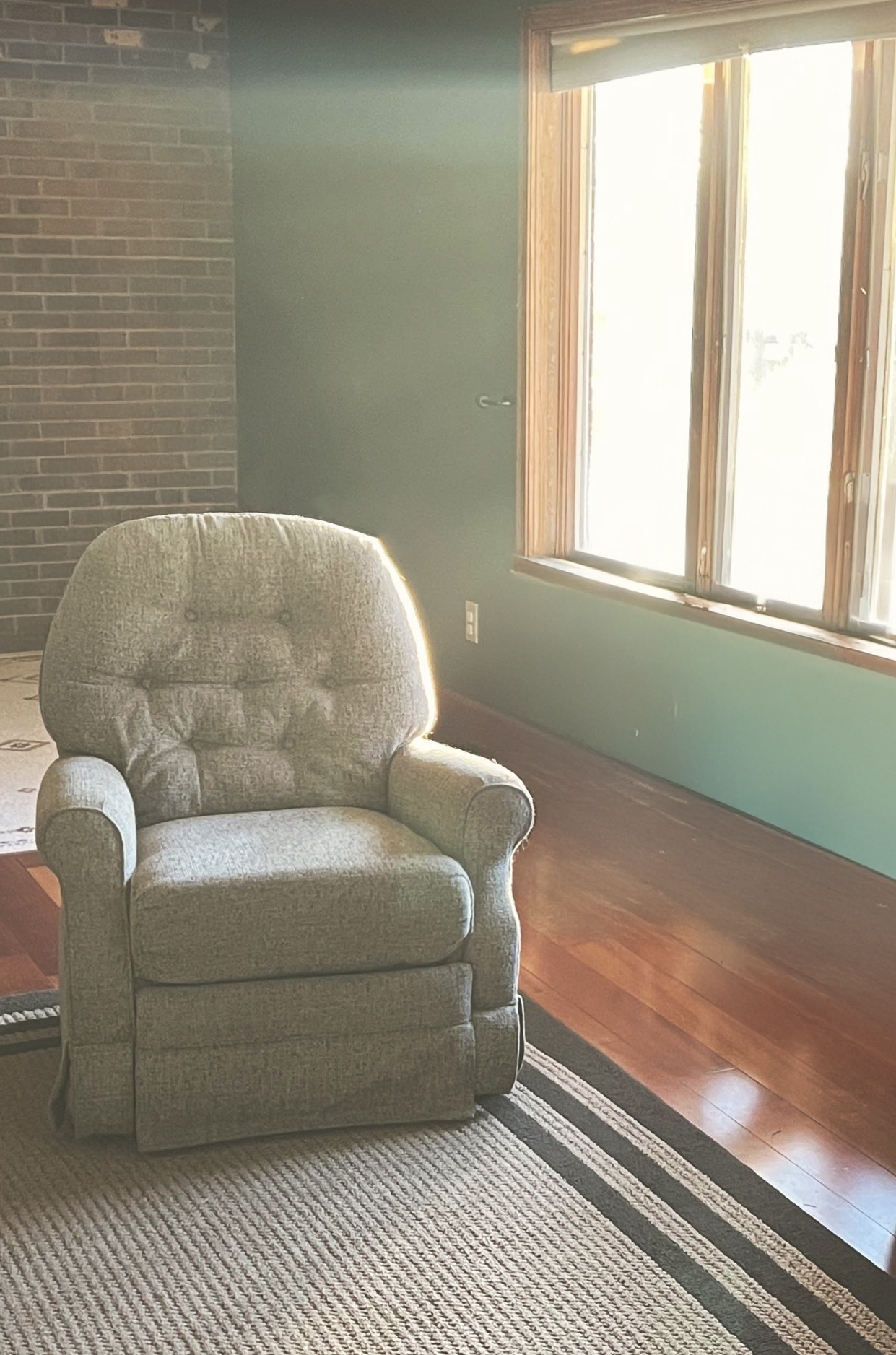
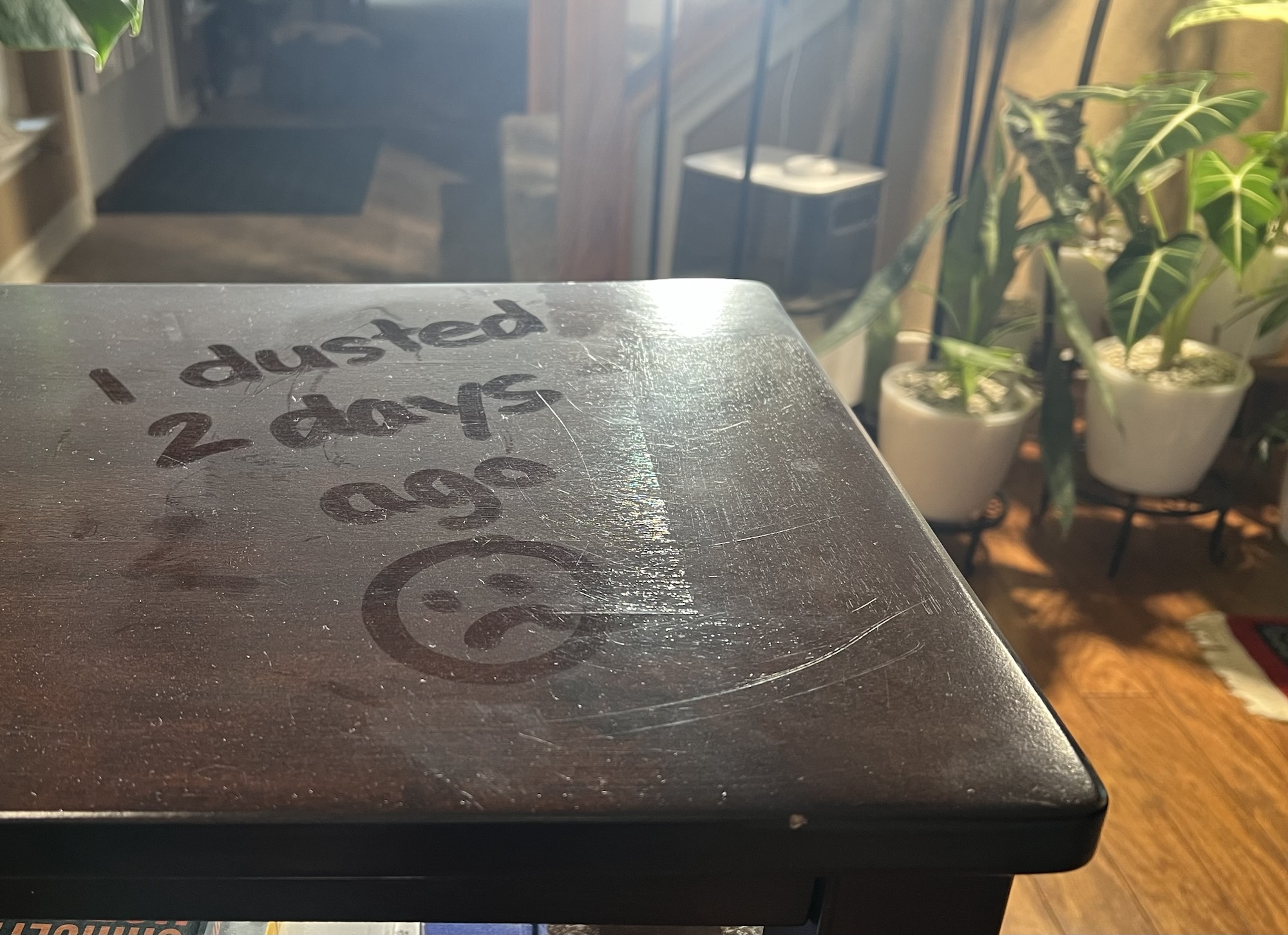
Humidifier mist contains the dissolved solids that are in your tap water. Those dissolved solids are released with the mist into the air to float through your house. The more mist, the more dissolved solids, and as they collect in the air, they refract light and look like “fog” in strong light. They also land on your furniture leaving a coating of fine dust.
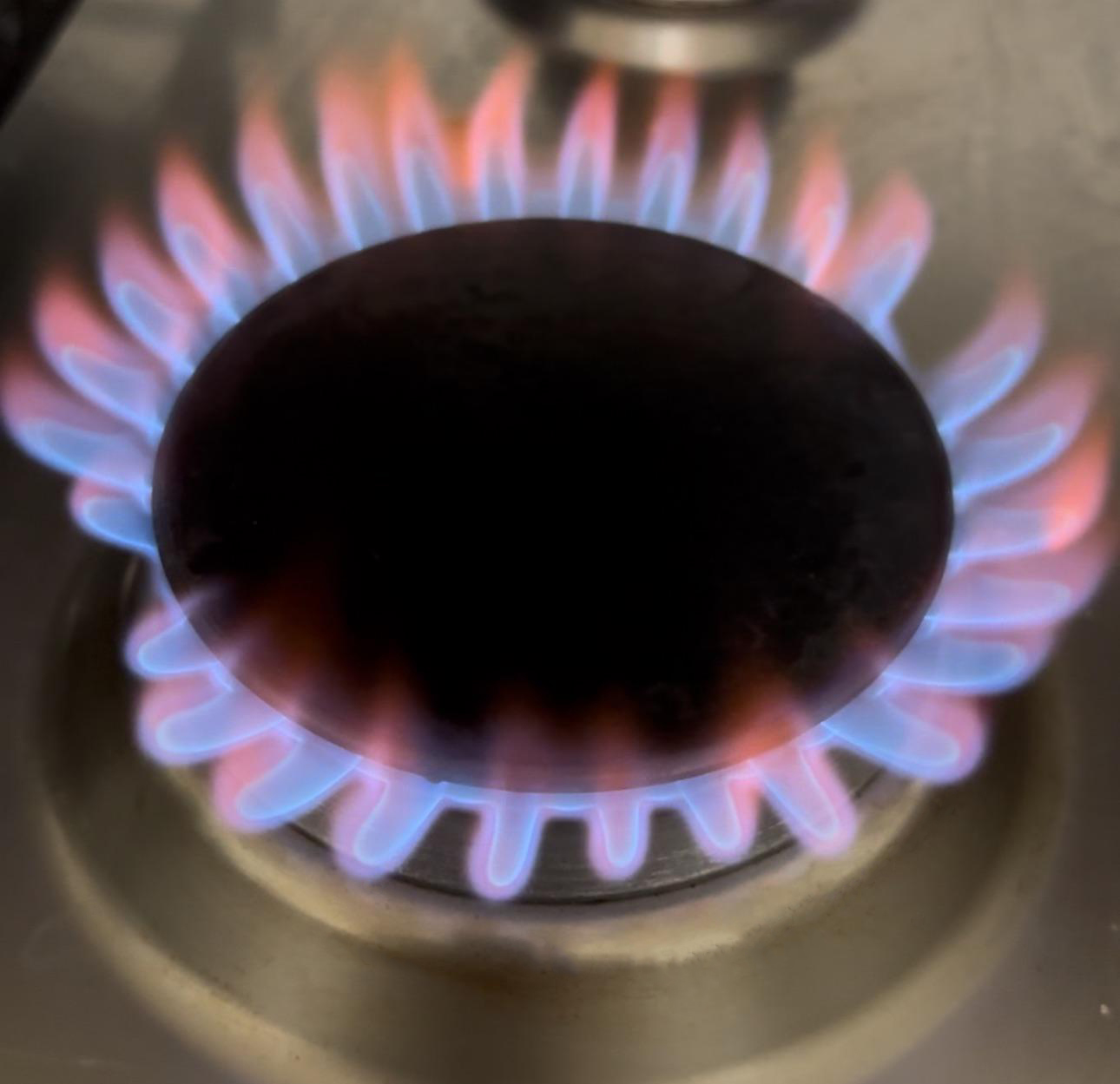
Another side effect of using tap water in a humidifier is if you have a gas stove, those dissolved minerals will turn your normally blue flames to orange.
When I added my third humidifier, the fog and dust became overwhelming. Something had to change, and these were my options:
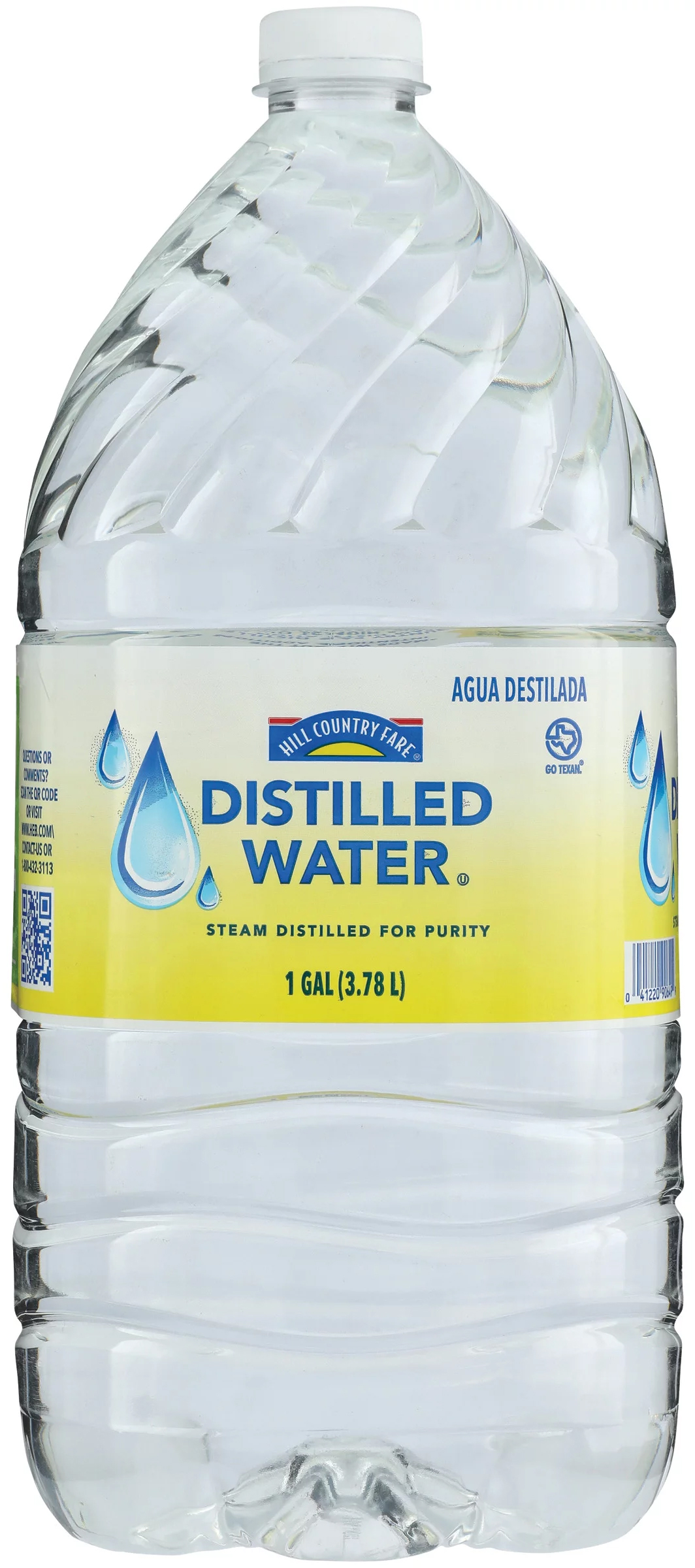
- Purchase distilled water by the gallon. Since my humidifiers go through about 4 gallons every day during the winter, this was not an option.
- Purchase distilled water from a water service. Like purchasing gallon jugs, this was expensive.
- Purchase a counter-top distiller. Though not terribly expensive, but for what I needed, it would be more labor intensive than I was interested in.
- Purchase a Reverse Osmosis De-Ionizing filtration system. These filters will remove all dissolved minerals from tap water.
The Water That Was Right for Me
I’ve been aware of Reverse Osmosis water for many years. An old friend had an RO filtration setup for his huge aquarium collection. I had always assumed that the cost would be prohibitive for me. When I talked through my frustration and options with my husband, he was researching before I could finish giving him my options. It didn’t take long to recognize that RO-DI was the most affordable way to go.
At about $1.25/gallon, gallon jugs from the store would cost around $150/month. Water services would cost about $2.00/gallon, or $240/month. A counter top distiller was too slow and too much work for the volume I need.
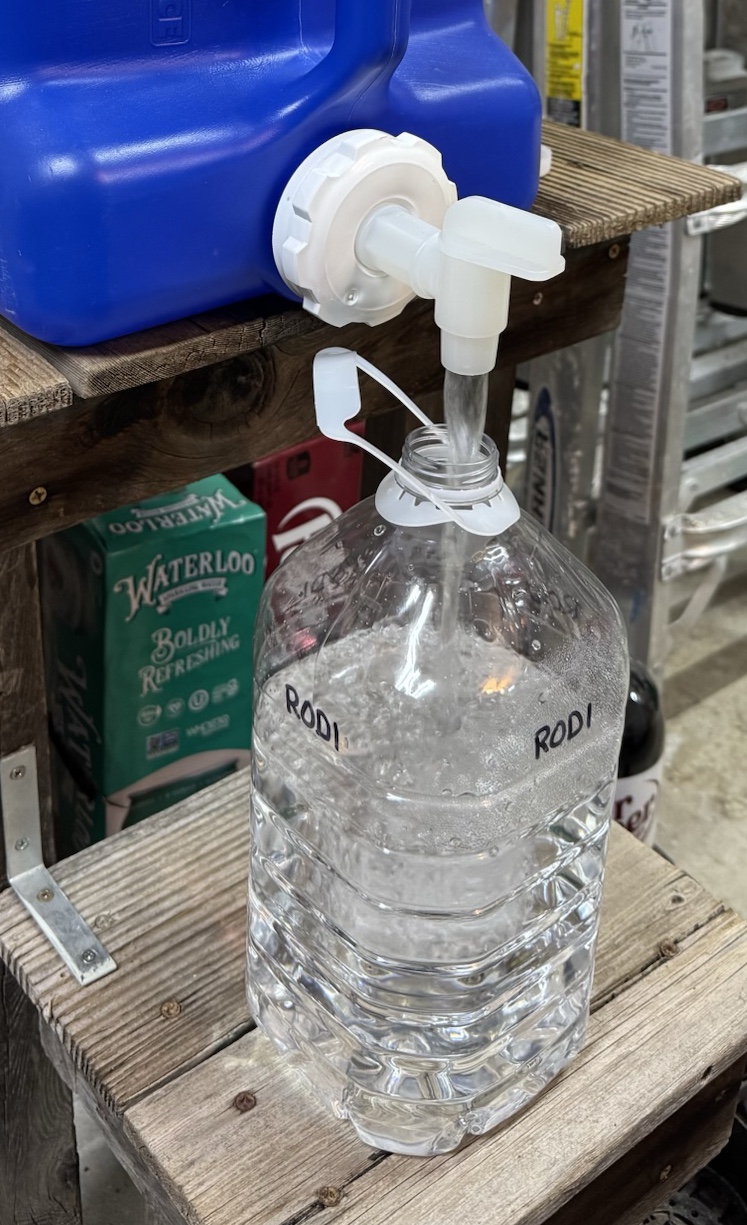
The RO-DI system we landed on, cost right at $130 for everything. We already had a 6-gallon jug to capture and store the water we filtered and a lot of the tubing we would need. We had to purchase:
- The Aquatic Life 4-Stage RO filtration system.
- A valve to control the water to the filters.
- A solenoid to turn the water off and on.
- A timer to automatically turn the water off to the system after whatever time we determined was needed to refill the tank.
- A spigot for the 6 gallon tank.
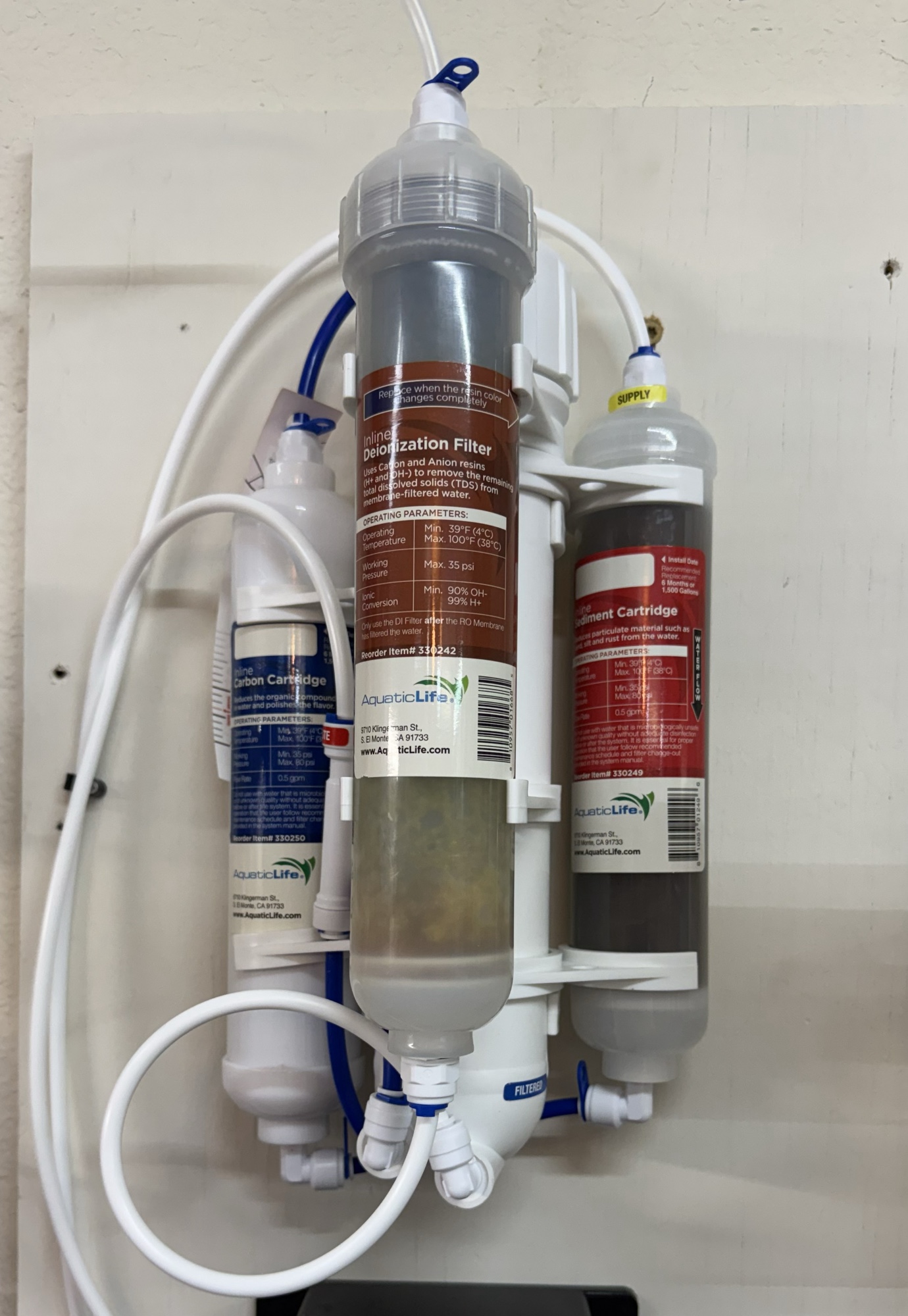
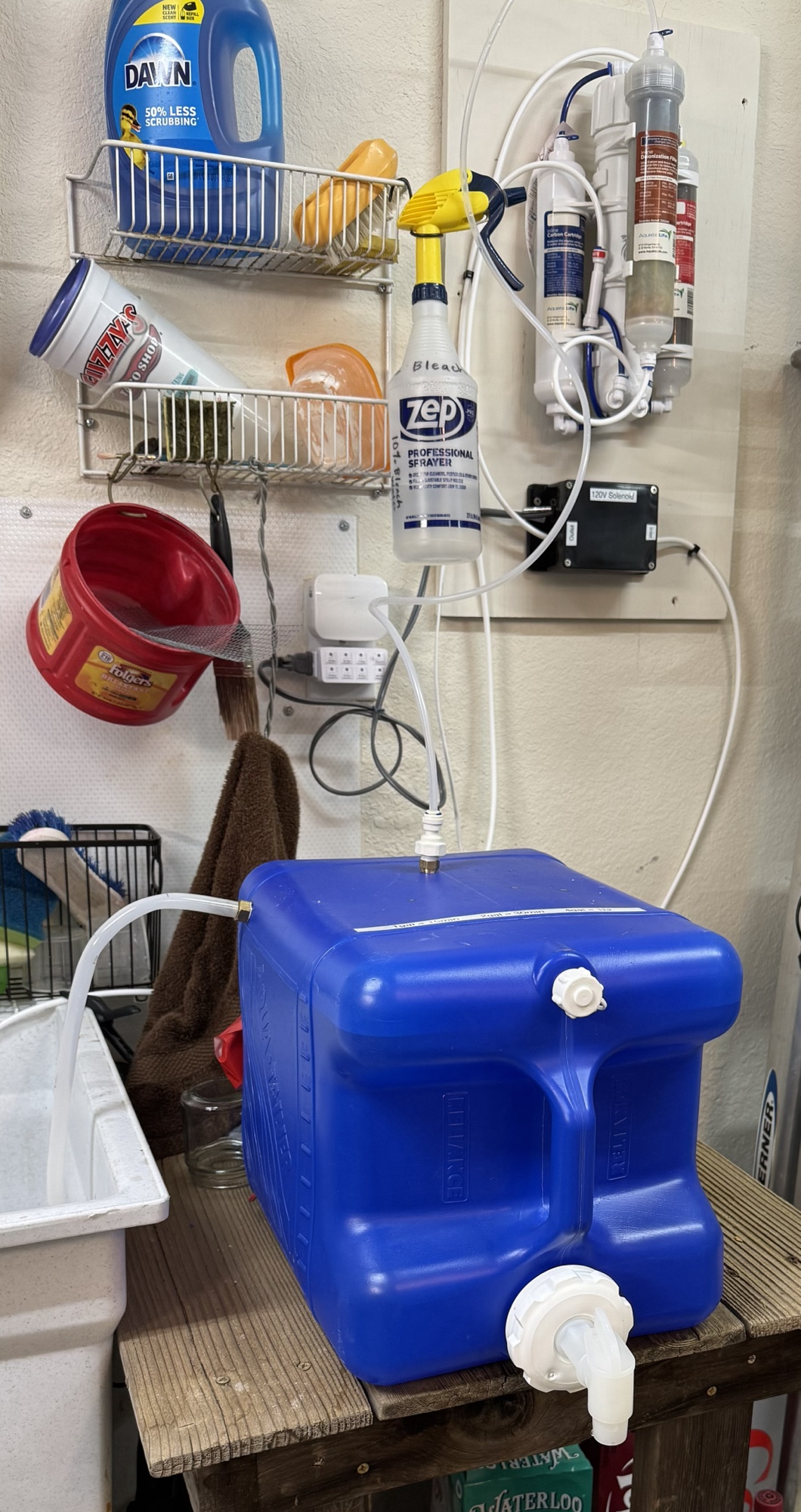
When all was said and done, we spent $130. The carbon, sediment and de-ionizing filters for this system should last 3-6 months with a replacement kit cost of around $37. The RO Membrane filter should last 1-2 years and should cost around $25-$45.
While RO-DI water is safe for plants, it is considered non-potable/drinkable. The de-ionization process removes essential electrolytes and minerals making it aggressively pure and flat-tasting. Additionally, these systems remove sanitizing agents (chlorine and/or chloramine) needed to be safe for drinking.
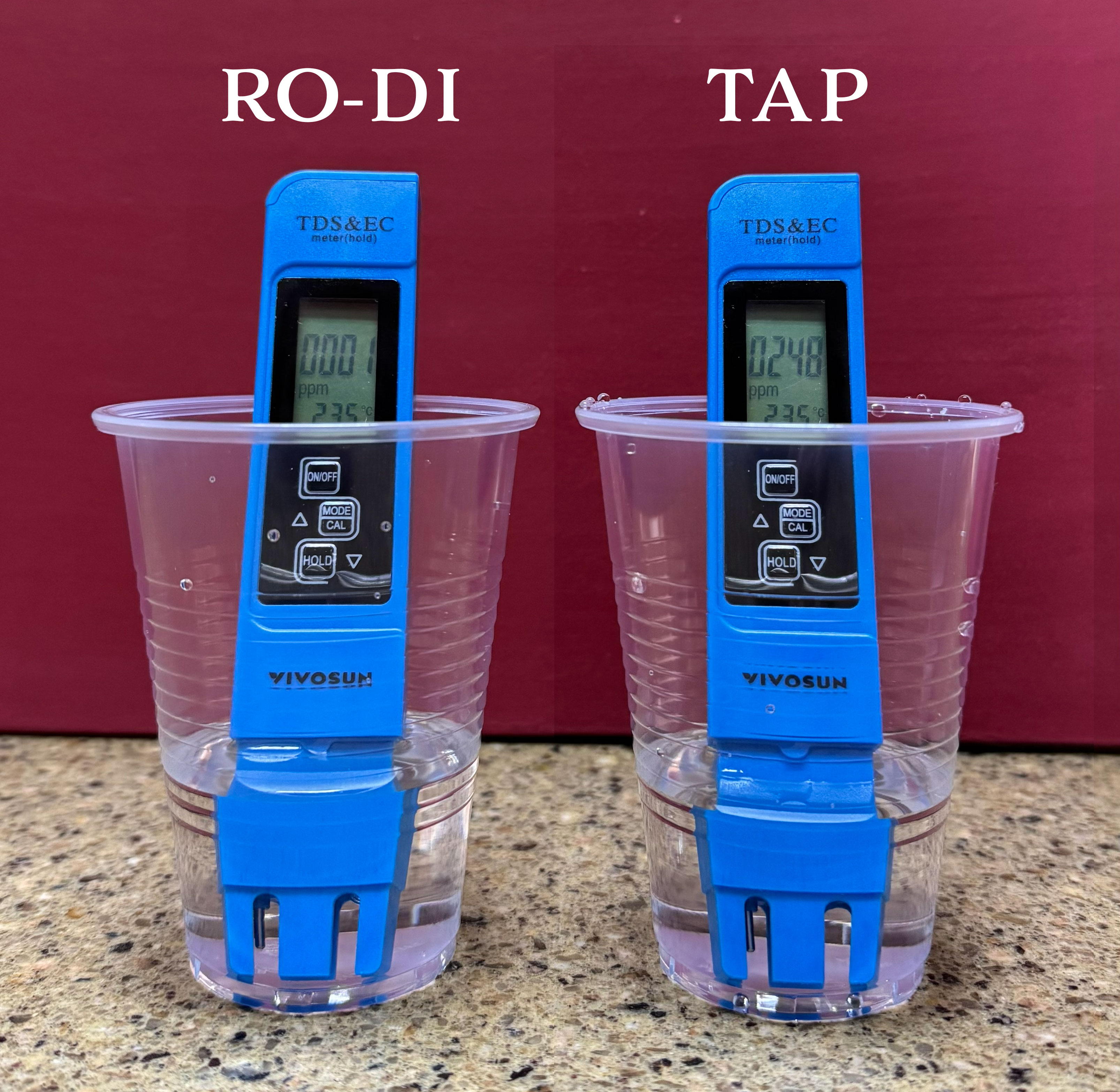
I purchased a TDS (Total Dissolved Solids) meter when I first started growing plants and my tap water measures around 240-260 ppm (parts per million). The same water, after being filtered by my RO-DI system measures 0-2 ppm. This is so low, that I can use it on my carnivorous plants.
Something to note… My husband is an electrical engineer and has been taking things apart and putting them back together again since he was a small child. In other words, he’s very handy and without his curiosity and ingenuity, I would not have the system I have.

Yes, all plants need water to live, and the type of water you provide your plants can make a difference in their overall health. I used tap water, straight from the faucet on my orchids until I began growing other houseplants. The orchids were fine with tap water, but some of my other plants developed crispy brown tips and edges. All of my plants did well with water conditioner added to my tap water. My breaking point came when my house became foggy and dusty because of tap water in my humidifiers. Dusting furniture every 2-3 days is not my cup of tea. In the end, you will want to find what makes you and your plants happy without breaking the bank.
 my Plants
Leave a comment