
One of the first things I learned about tropical plants was that they love humidity. I also learned that misting wasn’t the answer to boosting humidity; unless you want to do it hourly. And while pebble trays can help, the area they hydrate is too small to be effective.
Humidifier #1 – Boggy Mist
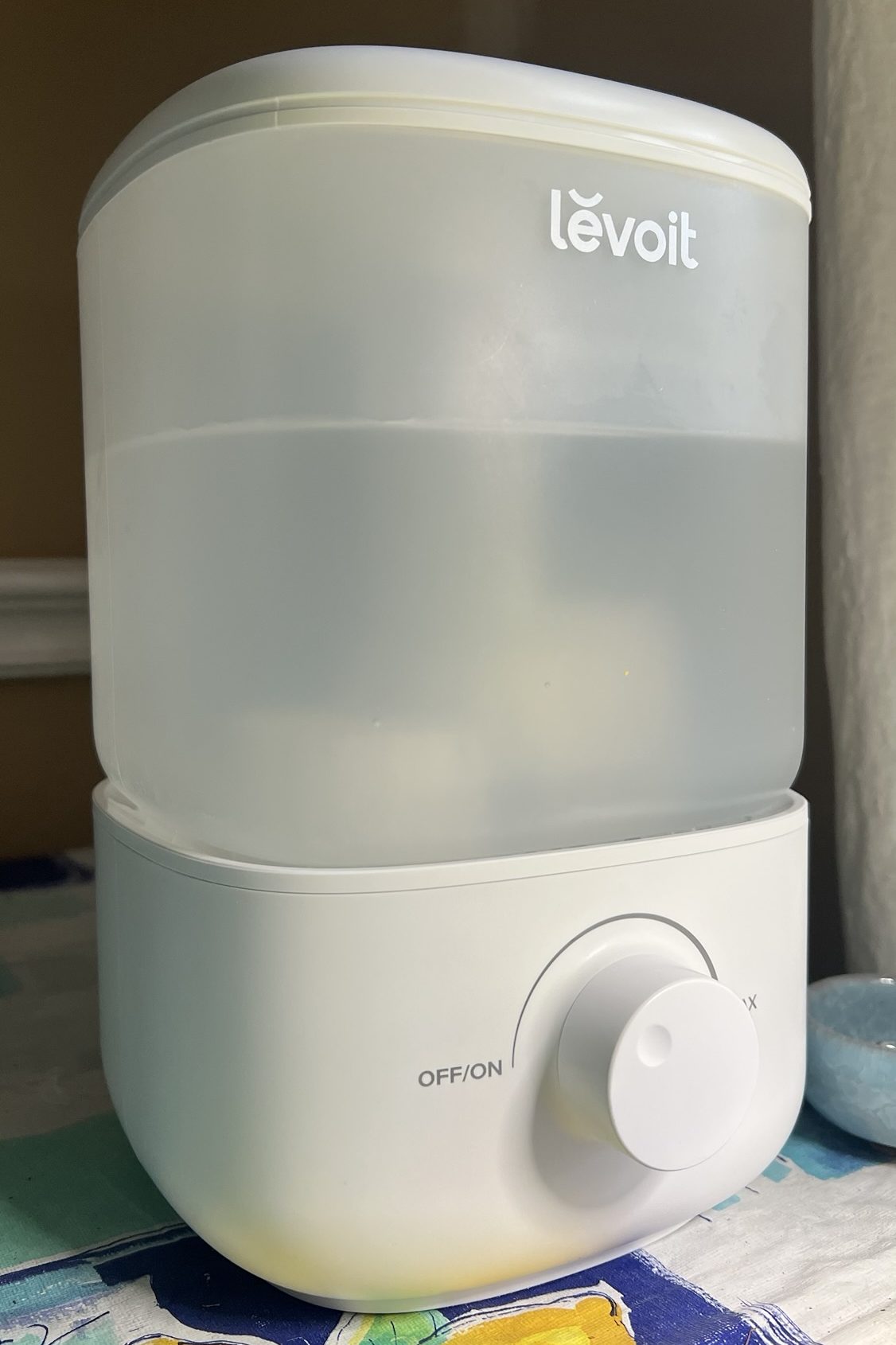
The first humidifier I purchased was a LEVOIT Classic 160 2.5L Top Fill Ultrasonic Humidifier. I’m calling it “Boggy Mist” because it is now used near my Bog Pot. It was for a “large room” although no room size is shown in the Amazon listing. It is also supposed to be “whisper quiet,” according to the listing. It was great for what I needed, but the water barely lasted 24 hours. After eleven months, I bought a larger “smart” humidifier and moved it in to humidify my bog.
Humidifier #2 – Jungle Mist
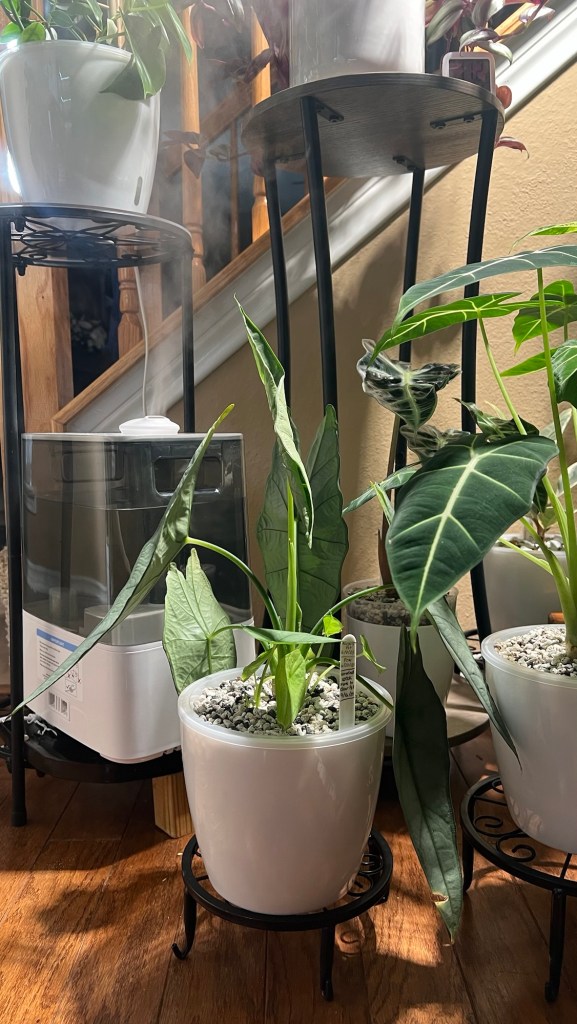
The second humidifier was a Levoit Classic 300S Ultrasonic Smart Humidifier that I can control from my phone. It allows me to set an ideal humidity level and it maintains the humidity at +/- 5%. According to it’s specs, it can humidify a room from 215-505 sq/ft. Its 6 liter tank, it can run on high for about 36 hours or on low for up to 60 hours. This allows me to have a little flexibility in when I have to refill the tank. I call this one “Jungle Mist” because it was handling most of my plants, i.e. my jungle. I love this humidifier. I love it so much, that 3 months later, I bought a third Levoit humidifier.
Humidifier #3 – Rain Forest Mist
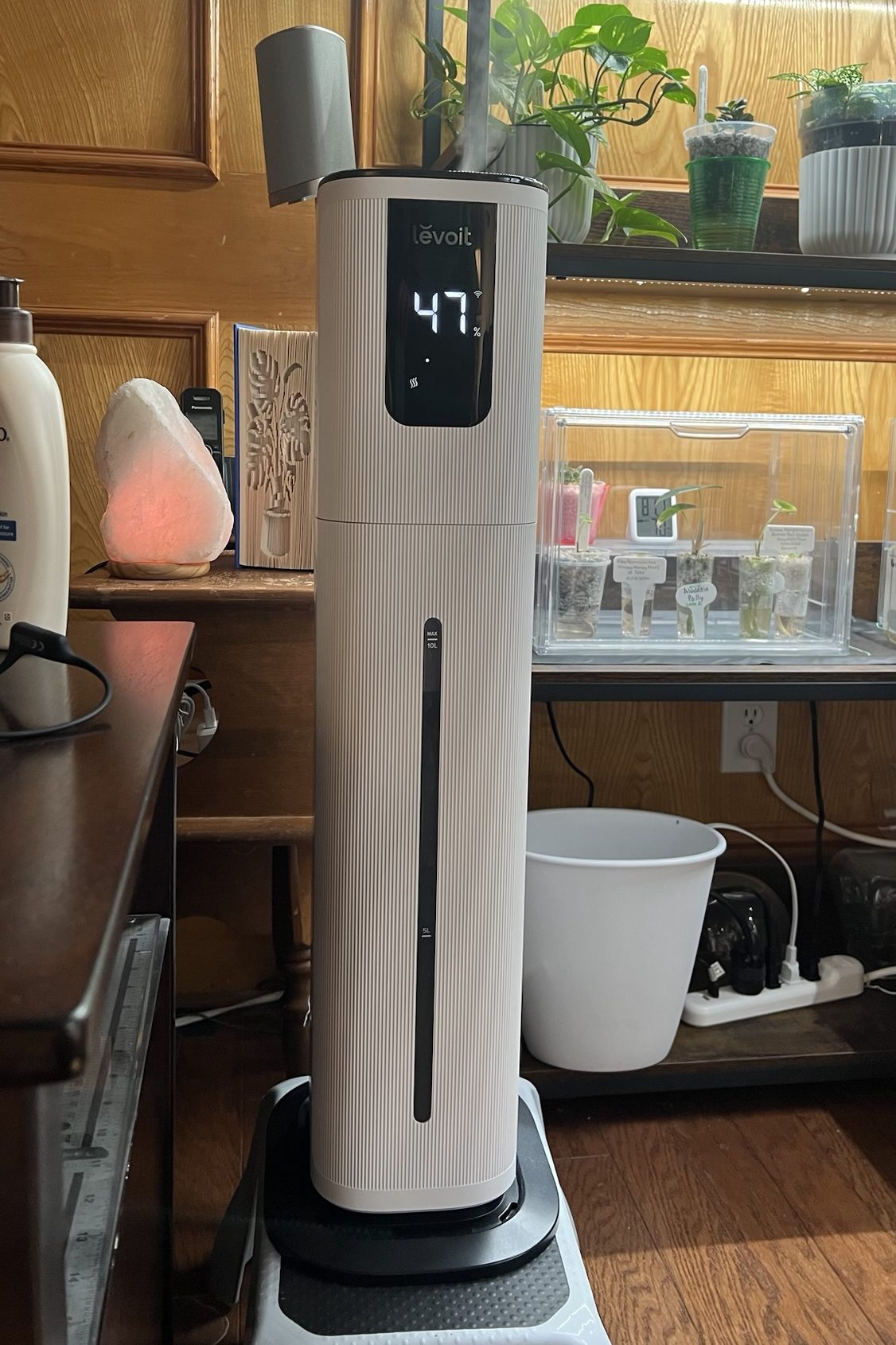
The third humidifier is a Levoit OasisMist® 1000S Smart Ultrasonic Cool Mist Tower Humidifier. It was named Rain Forest Mist. I thought that if the 6 liter Jungle Mist can cover my jungle, this one can cover a rain forest. It has a 10 liter tank that can run on low up to 100 hours. Right now, during winter with the furnace running, it uses about 95% of the 10 liter tank every 24 hours. Since it is a tower, it can sit on the floor and doesn’t need a stand. Because I want it to reach a little higher, I put it on a step stool. I love this humidifier and with its addition, I’m now able to humidify three areas in my house.
A Dirty Little Secret…
Okay, so it’s not really a secret, and while it technically isn’t dirt, it is annoying. Shortly after purchasing the first humidifier we began noticing some changes around the house. These changes intensified with each humidifier addition.
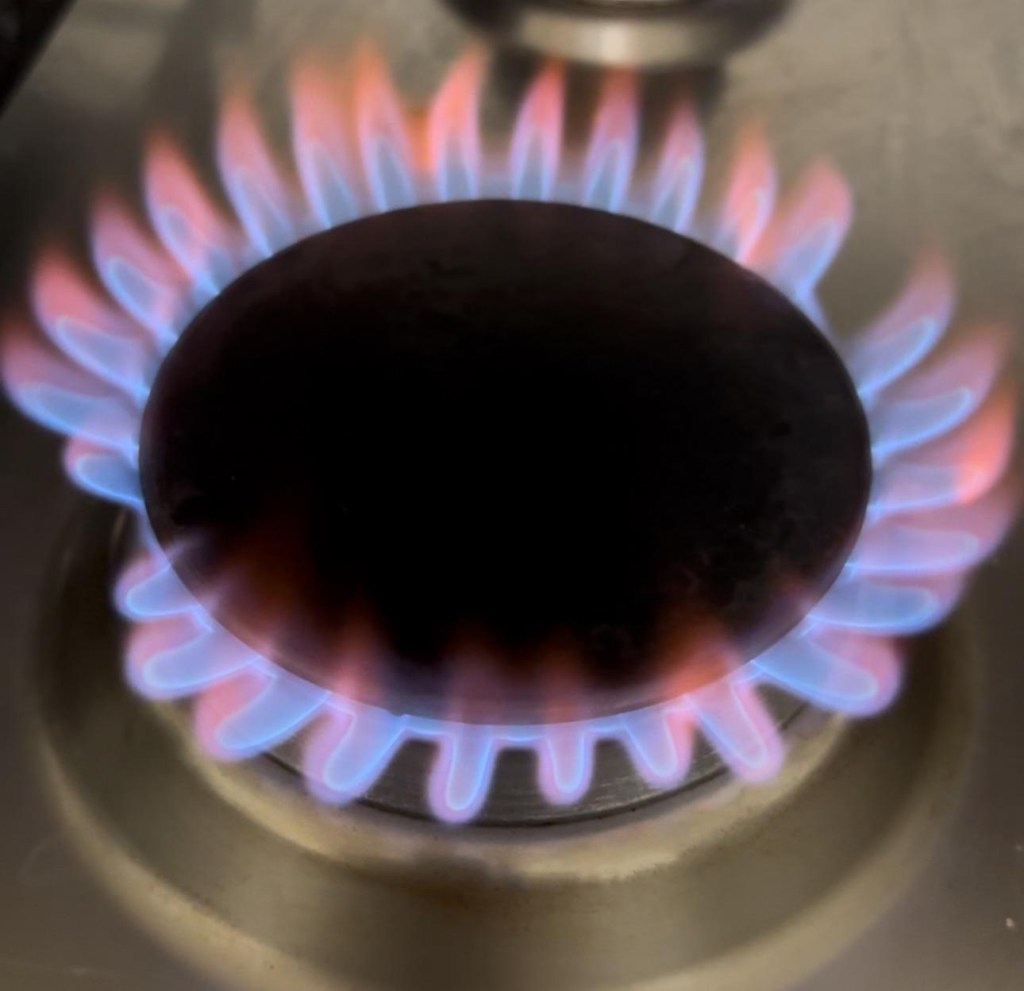
- The flames on my gas stove had a lot of orange in them. After adding the third humidifier, they were mostly orange.
- When the sun set in the afternoon, bright light comes in our west-facing windows. The light rays looked like they were going through fog.
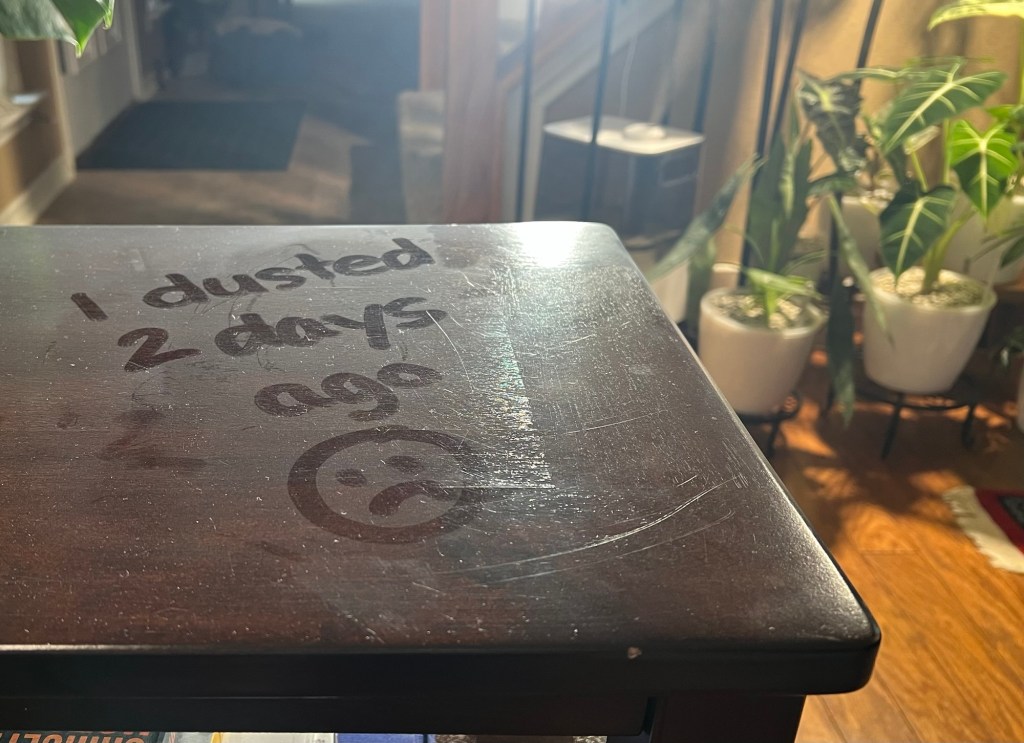
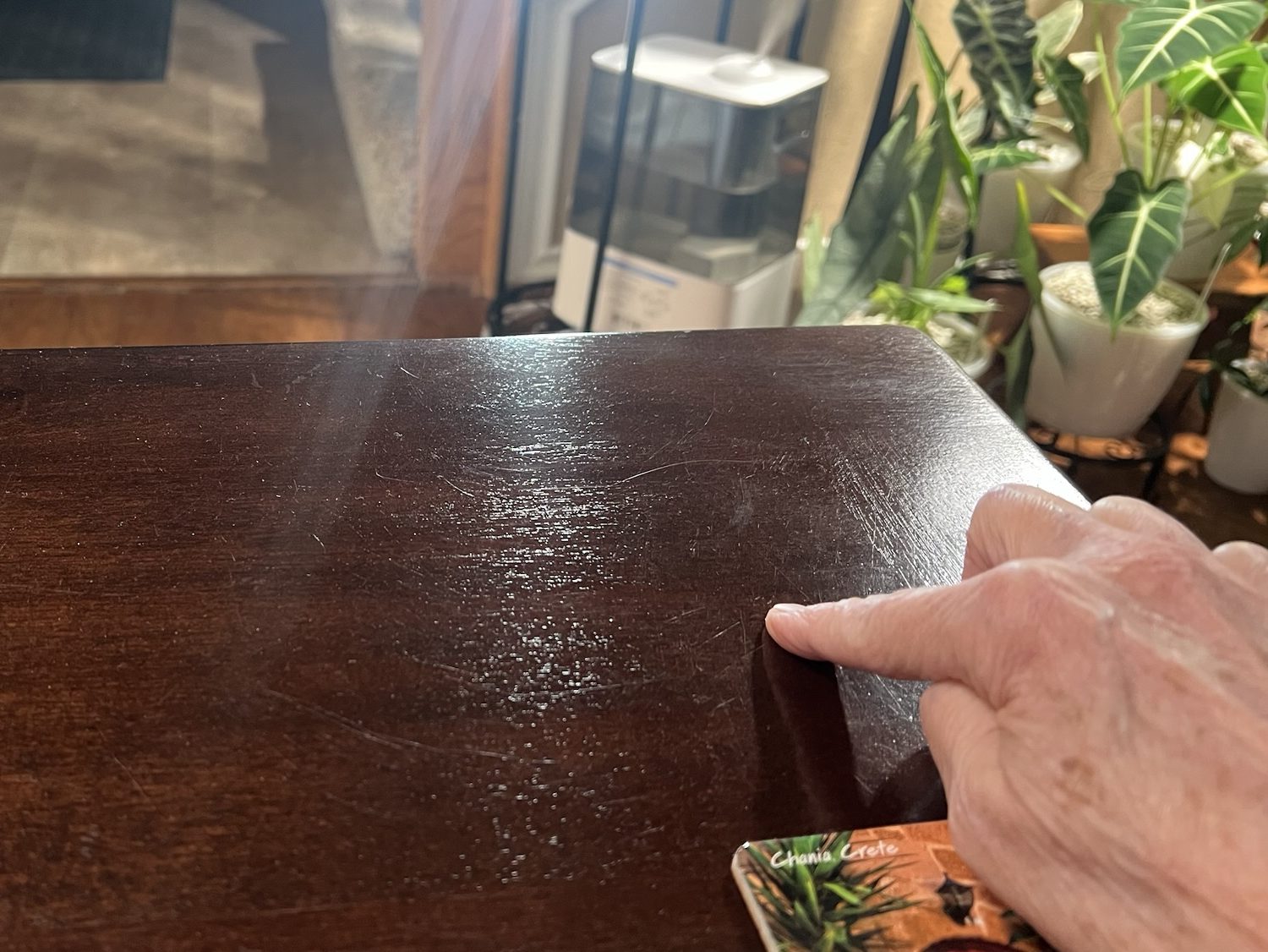
- My furniture and plant leaves were covered in fine, white dust. By the time I added the third humidifier they had thick dust two days after dusting.
It only took a small amount of research to find out why our gas flame was turing orange. Two words: Tap Water. I knew that the instructions for the humidifier suggested using distilled water, but never thought about why. I did, however, make the decision to use filtered water. My thought was that my filtered water would be a good compromise. I was wrong. Hence the need to dust every two days and orange flames.
Last year I purchased a TDS meter; I used it once and promptly forgot about it. Jump ahead to about a week ago, and things began clicking in my head. TDS refers to Total Dissolved Solids in water. These solids include salts, minerals, metals, and ions. The minerals in tap water are flung into the air and float until they find a place to land. The minerals that land on gas burners turn to orange as they burn.
I thought that the water I filtered was taking out a lot of these solids, so I tested it. My tap water has a TDS of 259 parts per million, the filtered water was 236 ppm. No wonder every surface in my house was covered in white dust! The cost of purchasing distilled water was a lot more than I was willing to spend. (2.5 gallons each day would cost about $1,250/year.)
My husband suggested installing a Reverse Osmosis water system which would cost under $200. We are still determining our final setup. I’ll post about how it works when we get it finished. I started using RO water yesterday and after almost two days, there is no dust on my furniture!
I have been a big fan of filtered tap water for a long time, but I’m rethinking that stance. While filtered tap water has minerals that plants need, they also have minerals that are not so beneficial. With RO water, the TDS is only 1 or 2 ppm. If I use that for my plants, they will only receive the nutrients I provide. I’m not sure how I feel about that, but I’m going to give it a try.
 my Plants
Leave a comment